
As the leaves begin to change color and temperatures drop across Fort Lee, NJ, homeowners should turn their attention to an often-overlooked aspect of seasonal home maintenance: their locks and security systems. Fall is the perfect time to assess your home's security infrastructure before the harsh winter weather arrives. With the unique climate challenges that Fort Lee residents face, from coastal humidity to temperature fluctuations, your locks and security hardware need special attention to function reliably throughout the colder months. This comprehensive checklist will help you identify potential security vulnerabilities, maintain your existing lock systems, and prepare your home for the season ahead.
Why Fall Lock Maintenance Matters in Fort Lee
Fort Lee's proximity to the Hudson River creates specific environmental challenges that affect your home's locks and security hardware. The combination of fluctuating temperatures, increased moisture, and seasonal weather patterns can cause locks to corrode, stick, or fail at the worst possible times. During fall, the transition from warm, humid conditions to cooler, drier air can cause metal components to contract and expand, potentially compromising lock mechanisms.
Additionally, fall marks the beginning of the holiday season, when package theft and burglaries traditionally increase. According to security statistics, break-ins rise by nearly 20% during the months between October and January. By conducting a thorough security assessment now, you can address vulnerabilities before they become serious problems.
The changing season also means shorter daylight hours, which can create additional security concerns. Dark evenings provide more cover for potential intruders, making it crucial that your locks, outdoor lighting, and security systems are functioning at peak performance.
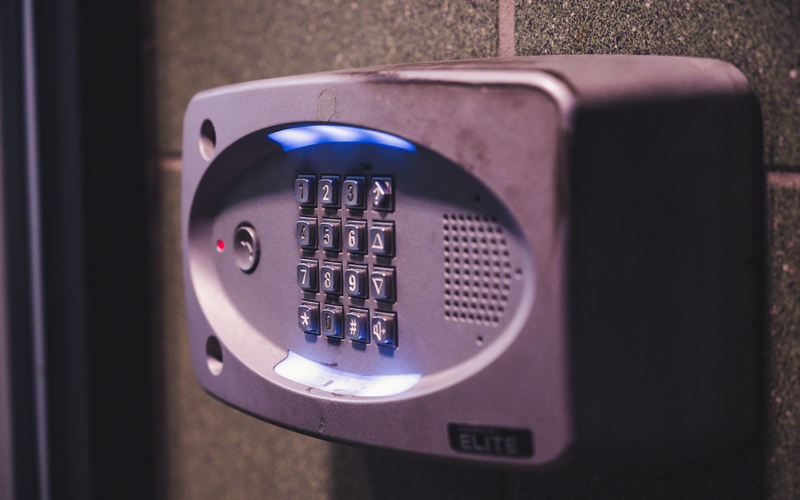
Inspect All Entry Point Locks
Begin your fall locksmith checklist by examining every lock on your property. This includes not just your front door, but all exterior doors, garage entrances, basement access points, and any gates or shed locks on your property.
Start with your primary entry doors. Insert your key and turn it several times, noting any resistance, grinding, or difficulty. A properly functioning lock should turn smoothly without requiring excessive force. If you notice any sticking or rough patches, this could indicate internal corrosion, debris buildup, or worn components that need attention.
Check the deadbolts on all exterior doors. Deadbolts should extend fully into the strike plate with a solid, definitive motion. If your deadbolt wobbles, doesn't extend completely, or requires multiple attempts to engage, it's time for maintenance or replacement. A compromised deadbolt significantly reduces your home's security.
Examine the condition of your door frames and strike plates. Even the best lock is only as strong as what it's mounted to. Look for signs of wood rot, loose screws, or strike plates that have pulled away from the frame. Fort Lee's humidity can cause wood frames to deteriorate over time, weakening your overall door security.
Test Your Keys and Consider Replacements
Fall is an excellent time to assess the condition of all your keys. Worn keys can break inside locks, leading to emergency lockout situations on cold winter nights. Hold each key up to the light and examine the teeth for signs of excessive wear, bending, or damage.
If you've been using the same keys for several years, consider having duplicates made as backups before winter arrives. Keys naturally wear down over time, and a worn key can damage your lock's internal pins, leading to more expensive repairs.
This is also the perfect opportunity to take inventory of who has keys to your home. Did you give a spare to a contractor last spring? Has a housesitter or pet-sitter kept a copy? Consider implementing a master key system or rekeying your locks if you've lost track of key distribution. Rekeying is a cost-effective security measure that renders all old keys useless while allowing you to keep your existing lock hardware.
For added convenience and security, consider having keys made from high-quality blanks rather than the budget options available at hardware stores. Professional locksmiths use superior materials that resist wear and provide more reliable operation.
Lubricate All Lock Mechanisms
Proper lubrication is one of the simplest yet most effective maintenance tasks you can perform. Before winter's harsh conditions arrive, ensure all your locks are properly lubricated to prevent freezing, corrosion, and mechanical failure.
Use a graphite-based lubricant or a specialized lock lubricant—never use WD-40 or oil-based products, as these can attract dirt and gum up the delicate pin mechanisms inside your locks. To properly lubricate a lock, insert the key about halfway into the lock, spray or apply the lubricant, then work the key in and out several times to distribute the product throughout the mechanism.
Don't forget about padlocks on sheds, gates, and garage doors. Outdoor locks face the harshest conditions and require the most attention. Apply lubricant generously to outdoor locks, and consider investing in weather-resistant padlocks if your current ones show signs of rust or corrosion.
Sliding door locks and window locks also benefit from lubrication. These mechanisms often get neglected but are common entry points for burglars. Clean the tracks of sliding doors to remove debris, then apply a silicone-based lubricant to ensure smooth operation.
Upgrade to High-Security Locks
Fall renovations and improvements are common in Fort Lee as homeowners prepare their properties for the holiday season. If you've been considering upgrading your locks, autumn is the ideal time to make the investment.
High-security locks offer several advantages over standard residential locks. They feature anti-pick pins, drill-resistant plates, and key control systems that prevent unauthorized key duplication. Brands like Medeco, Mul-T-Lock, and Schlage Primus provide significantly better protection against lock-picking, bumping, and forced entry.
Consider upgrading to Grade 1 deadbolts, which meet the highest security standards set by the American National Standards Institute (ANSI). These locks undergo rigorous testing for durability, forced entry resistance, and operational cycles. While they cost more than standard Grade 2 or Grade 3 locks, the investment provides substantial peace of mind.
For doors with glass panels or windows nearby, consider double-cylinder deadbolts that require a key on both sides. This prevents intruders from breaking the glass and reaching through to unlock the door from inside. However, keep a key nearby (but not visible from outside) for emergency exits.
Assess and Upgrade Door Hardware
Your locks are only as secure as the hardware that supports them. Take time this fall to examine all door hardware components, including hinges, strike plates, and door frames.
Exterior door hinges should have non-removable pins to prevent intruders from simply removing the door from its hinges. If your hinges have removable pins, installing security studs or upgrading to security hinges is a straightforward improvement that significantly enhances door security.
Standard strike plates typically come with short screws that only penetrate the door frame. Upgrade to heavy-duty strike plates with 3-inch screws that extend into the wall studs behind the frame. This reinforcement makes it exponentially harder for someone to kick in your door.
Inspect the door itself for signs of warping, gaps, or damage. Even minor gaps can reduce your lock's effectiveness and create drafts during winter. If your door doesn't fit snugly in its frame, consider weatherstripping or adjusting the hinges. In some cases, replacement may be necessary if the door has deteriorated significantly.
Prepare for Winter Lock Challenges
Fort Lee winters can bring ice, snow, and freezing temperatures that create unique challenges for locks and security hardware. Preparing now will save you from lockout emergencies during winter storms.
Freezing temperatures can cause moisture inside locks to freeze, making them impossible to operate. Apply a protective layer of graphite lubricant to all exterior locks before the first freeze. Keep de-icer or lock de-icing spray accessible near your door, but never inside your car where you can't reach it if your car door locks freeze.
Consider installing weatherproof lock covers for exposed exterior locks. These inexpensive accessories protect locks from direct exposure to rain, snow, and ice, extending their lifespan and reducing winter maintenance issues.
For garage doors, ensure that both the lock mechanism and the door opener function properly. Test the emergency release to confirm it operates smoothly—you don't want to discover it's frozen or stuck when you need it most.
Evaluate Your Smart Lock Systems
If you've installed smart locks or are considering the upgrade, fall is the perfect time to ensure these systems are functioning optimally and that batteries are fresh before winter arrives.
Check the battery levels on all smart locks and replace them if they're below 50%. Cold weather drains batteries faster, and you don't want to face a lockout because your smart lock died during a cold snap. Keep spare batteries in an easily accessible location inside your home.
Update the firmware on all smart lock devices. Manufacturers regularly release updates that improve security, fix bugs, and add features. Outdated firmware can leave your smart locks vulnerable to hacking or exploitation.
Review access codes and digital keys. Remove access for anyone who no longer needs entry to your home, such as summer visitors, former service providers, or previous housesitters. Create unique codes for different users so you can track who's entering your home and when.
Test the connectivity between your smart locks and your home's Wi-Fi network or smart home hub. Weak connections can cause delays or failures in locking/unlocking, potentially leaving your home unsecured.
Check Window Locks and Security
Windows are often the most vulnerable entry points in a home, yet they receive far less attention than door locks. Include all windows in your fall security assessment.
Test every window lock in your home to ensure it engages properly. Many window locks loosen over time or become painted shut, rendering them ineffective. Older windows with simple latch systems offer minimal security and should be upgraded with auxiliary locks or pin systems.
For sliding windows, install track locks or insert dowel rods cut to fit the track when windows are closed. This simple solution prevents windows from being forced open even if the primary lock is compromised.
Basement windows deserve special attention, as they're common entry points for burglars. Consider installing window well covers, security bars (that meet fire code requirements for egress), or glass break sensors connected to your alarm system.
Don't overlook second-story windows. While less accessible, they're still vulnerable, especially if trees, trellises, or roof access provides potential entry points. Ensure all upper-level windows lock securely, and consider additional security measures for any windows that could be accessed by climbing.
Review and Update Your Security System
If you have a home security system, fall maintenance should include a comprehensive review of all components to ensure everything functions correctly heading into the holiday season.
Schedule a professional inspection of your alarm system. Technicians can test sensors, verify that all entry points are properly monitored, check battery backups, and confirm that monitoring services are active and connected properly.
Replace batteries in all wireless sensors, keypads, and motion detectors. Like smart locks, security system components can drain faster in cold weather. Fresh batteries now prevent system failures during winter.
Test your system's communication with the monitoring center. Trigger a false alarm (while calling ahead to let them know it's a test) to verify that signals are being received and that the monitoring company has your current contact information.
Review your system's settings and make adjustments based on the changing season. Shorter days might mean adjusting when the system automatically arms, or you might want to enable additional zones now that windows will be closed more frequently.
Secure Outdoor Structures and Gates
Your home security extends beyond your house to include garages, sheds, and any fencing or gates on your property. These areas often contain valuable equipment and tools, making them attractive targets for thieves.
Inspect all gate locks and latches. Make sure they close securely and can't be easily lifted off hinges or manipulated from outside. Consider upgrading to padlocks with shrouded shackles that resist bolt cutters.
Garage security deserves special attention, especially if your garage connects to your home. Ensure the door from the garage into your house has the same security standards as exterior doors, including a quality deadbolt. Many homeowners neglect this entry point, assuming the garage door provides adequate security.
For detached sheds or workshops, consider installing motion-activated lighting in addition to quality locks. The combination of good lighting and solid locks provides effective deterrence against theft.
Check the structural integrity of gates and fencing. Even the best lock is useless if the gate can be easily climbed over or if fence sections are loose enough to create gaps for entry.
Create an Emergency Lock Plan
Part of fall preparation involves planning for winter emergencies. What happens if you're locked out during a snowstorm, or if a lock fails on a frigid evening?
Identify a trusted neighbor who can hold a spare key. Choose someone reliable who will likely be home during emergencies and won't be traveling during the holidays. Make sure they know where the key is and how to reach you if needed.
Keep the contact information for a reliable 24/7 locksmith service easily accessible. Program the number into your phone and keep a written copy in your wallet. When you need emergency locksmith services, you don't want to be searching online in the cold or dark.
Consider installing a lockbox with a key in a discrete location on your property. Modern lockboxes with combination codes provide secure key storage that won't be obvious to potential intruders but will give you access during emergencies.
Discuss lock and key protocols with family members. Make sure everyone knows what to do if they're locked out, where spare keys are located (if any), and whom to call in an emergency. Having a plan reduces panic and prevents damage from attempts to force entry.
Schedule Professional Lock Services
While many maintenance tasks can be handled as DIY projects, certain situations require professional locksmith expertise. Fall is the ideal time to schedule these services before the winter rush and holiday season.
Professional lock rekeying provides an affordable way to upgrade security without replacing all your locks. If you've recently moved into your Fort Lee home, had contractors working on your property, or experienced a break-in, rekeying ensures that old keys no longer work while allowing you to keep your existing hardware.
Consider having a locksmith conduct a comprehensive security audit of your property. Professional locksmiths can identify vulnerabilities you might overlook, recommend appropriate upgrades for your specific situation, and ensure all locks meet current security standards.
If any locks showed signs of wear during your inspection, schedule professional maintenance or replacement before winter. Lock failure during a blizzard or on a freezing night isn't just inconvenient—it can be dangerous.
For businesses or multi-unit properties in Fort Lee, fall is the perfect time to upgrade to master key systems or access control systems that provide better security and convenience before the busy holiday season.
Update Your Home Inventory and Documentation
While updating your locks and security, take the opportunity to document your home's contents and security measures. This documentation proves invaluable if you ever experience a break-in or need to file an insurance claim.
Photograph all entry points, including doors, windows, and their associated locks and security hardware. Document make, model, and serial numbers for all locks, security systems, and smart home devices. This information helps law enforcement, insurance companies, and replacement locksmiths.
Create or update your home inventory with photos of valuable items, serial numbers, and purchase information. Store this documentation securely off-site or in cloud storage where it won't be lost if your home is burglarized.
Review your homeowner's insurance policy to ensure your coverage is adequate and that you understand what's covered in case of break-in, lock damage, or forced entry repairs. Some policies offer discounts for homes with upgraded security systems or high-security locks.
Enhance Outdoor Lighting for Security
As days grow shorter, outdoor lighting becomes a critical component of home security. Proper lighting works in conjunction with quality locks to deter potential intruders.
Install or upgrade to LED motion-sensor lights at all entry points. These lights startle potential intruders, alert you to activity around your home, and make it easier to operate locks in the dark. Position lights to eliminate shadows where someone could hide while attempting to pick or force a lock.
Consider smart outdoor lighting that can be controlled remotely or programmed on schedules. When you're traveling during the holidays, smart lights create the appearance that someone is home, deterring break-in attempts.
Ensure that house numbers are clearly visible and well-lit. In an emergency, you want police, fire, or emergency locksmith services to find your home quickly. Illuminated or reflective numbers make your home easy to